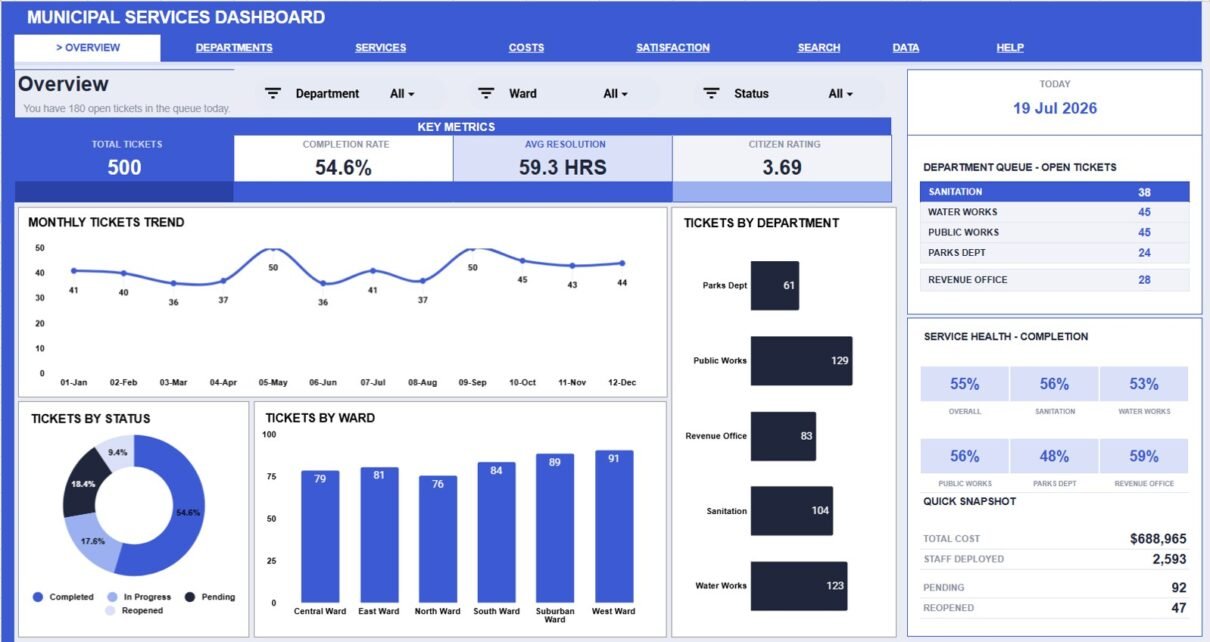
Review the Municipal Services Dashboard in Google Sheets with seven tabs for tickets, departments, services, costs, satisfaction, Ticket ID search, and editable source data.
Online Tutorial for Data Analysis and Automation
Review the Municipal Services Dashboard in Google Sheets with seven tabs for tickets, departments, services, costs, satisfaction, Ticket ID search, and editable source data.
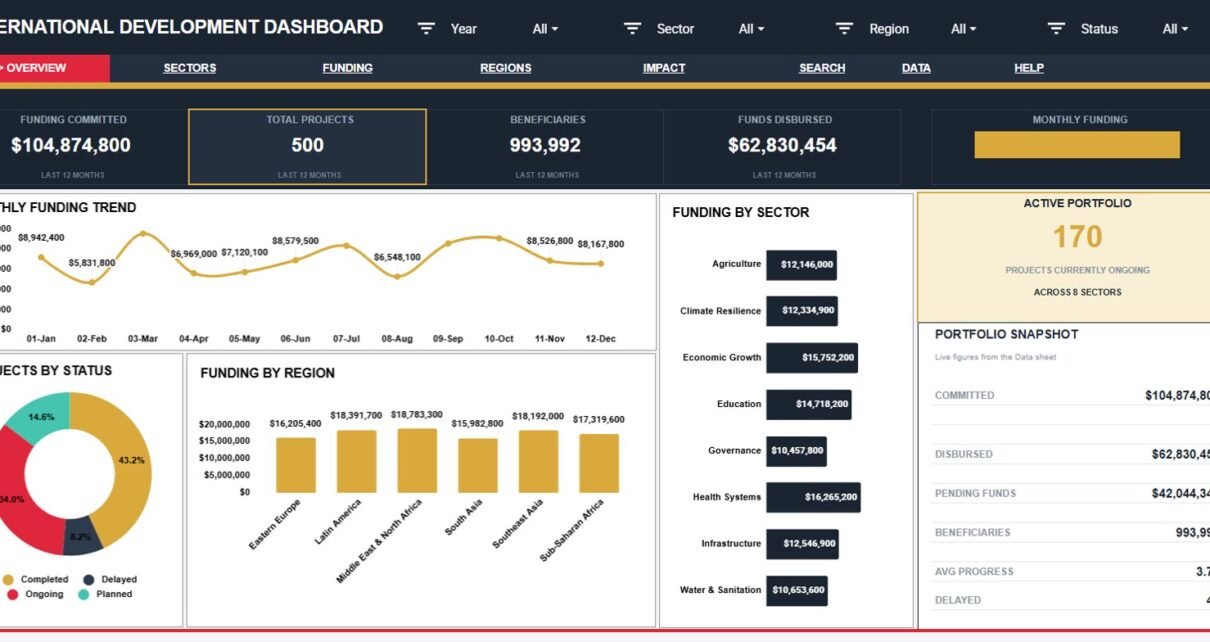
Track committed funding, disbursement, beneficiaries, regions, sectors, impact, and project lookup in a ready-to-use Google Sheets dashboard.
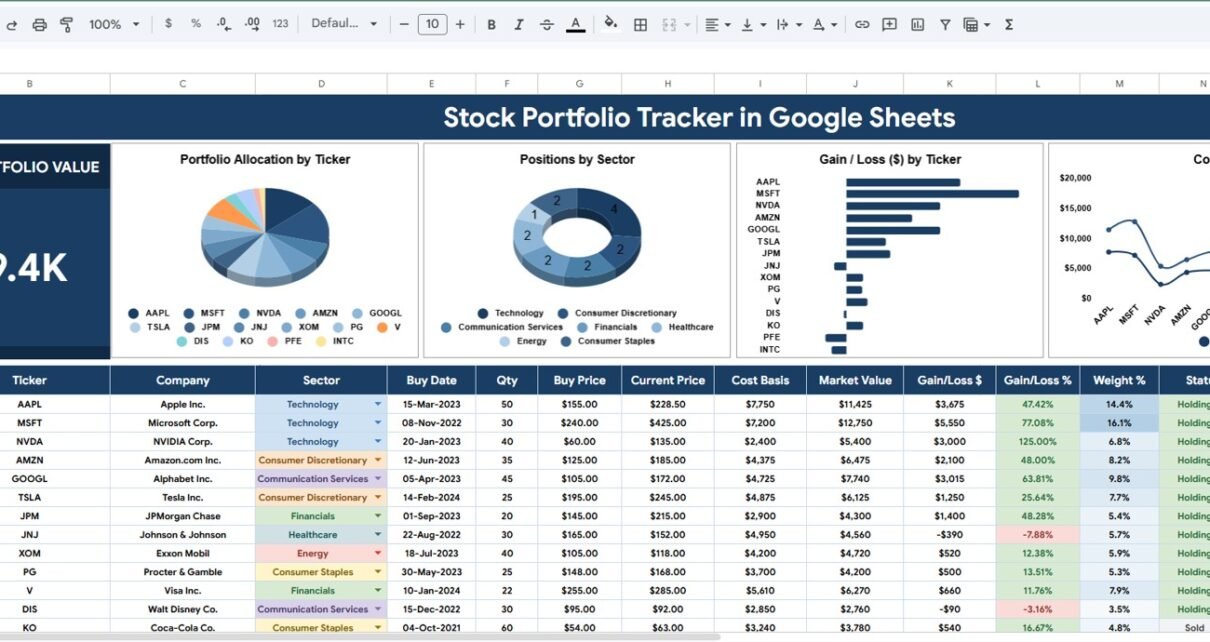
Stock Portfolio Tracker in Google Sheets helps investors review portfolio value, ticker allocation, sector exposure, cost basis, market value, and gain/loss.
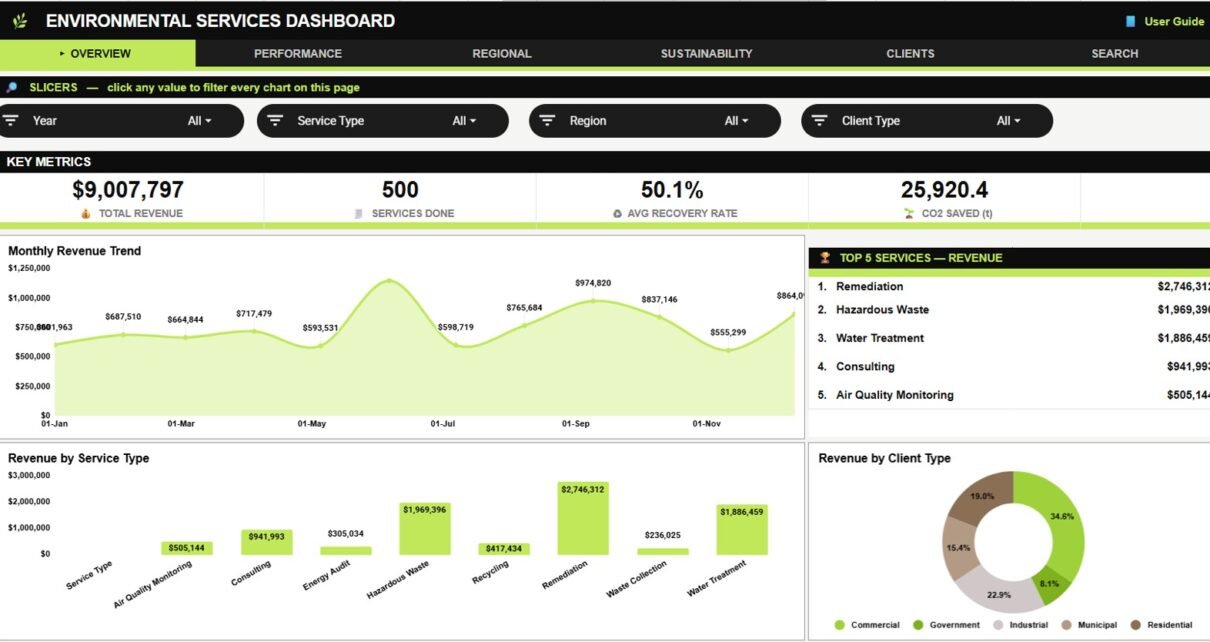
Review the Environmental Services Dashboard in Google Sheets with seven tabs for revenue, services done, recovery rate, CO2 saved, regions, sustainability, clients, search, and data.
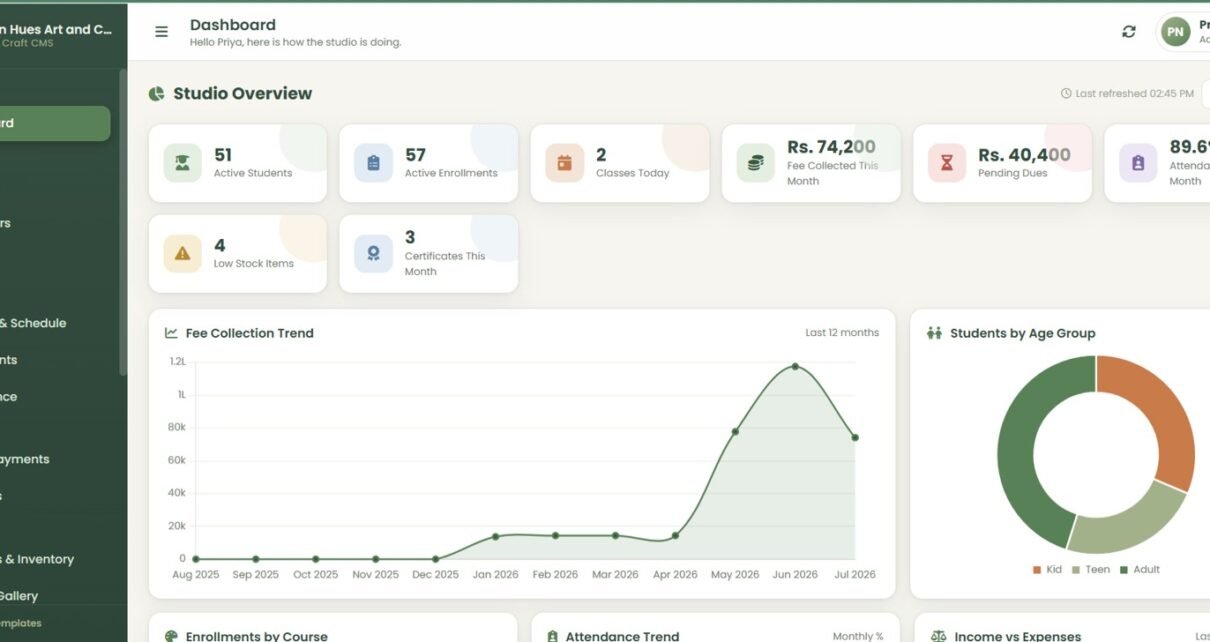
A practical walkthrough of the Art and Craft Class Management System Web App for managing students, batches, attendance, fees, inventory, artwork, certificates, reports, users, settings, and audit history.
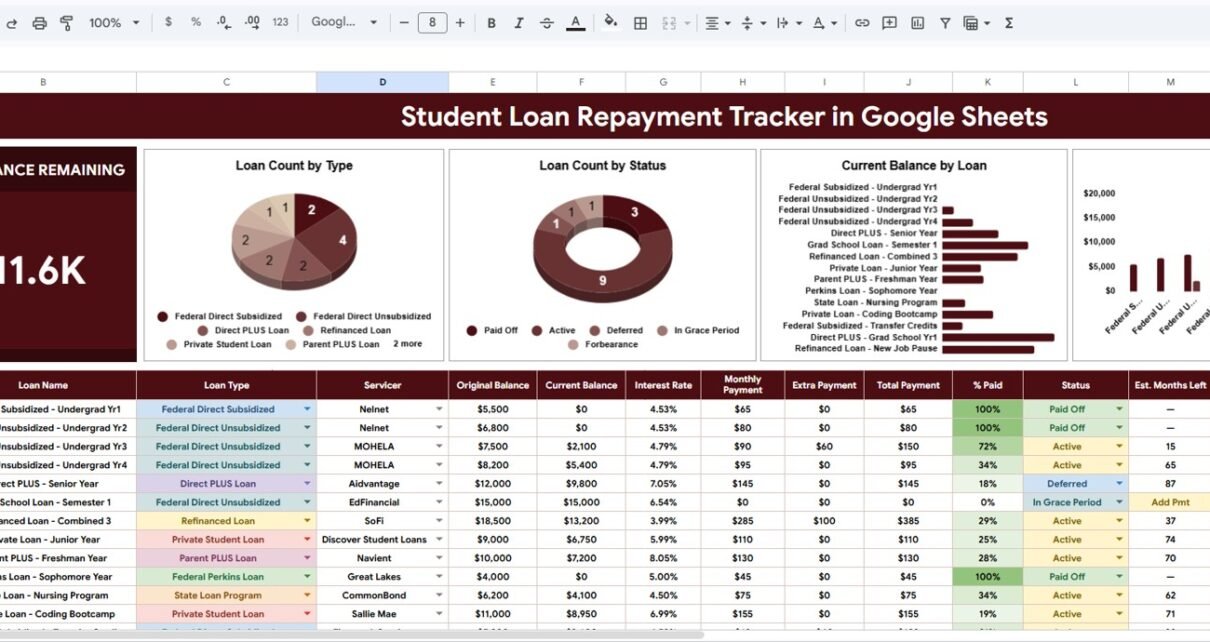
Track student loan balances, servicers, repayment status, and payoff progress in Google Sheets with charts, slicers, and editable setup lists.
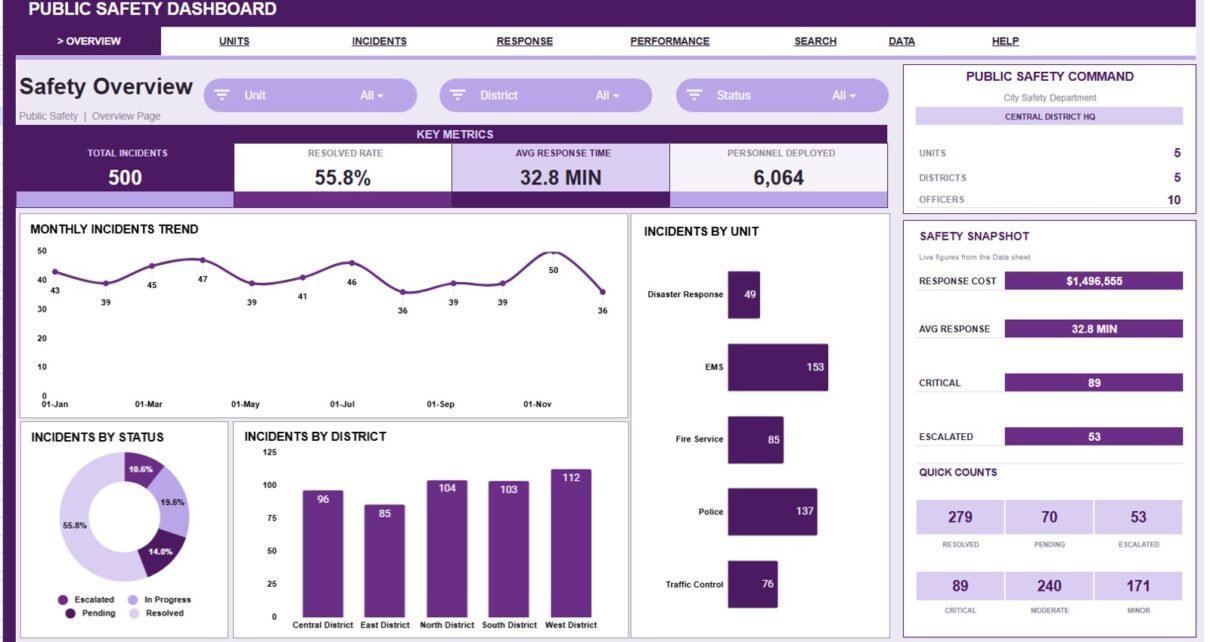
Public Safety Dashboard in Google Sheets helps teams track incidents, response time, cost, units, districts, status, severity, personnel, and safety score.
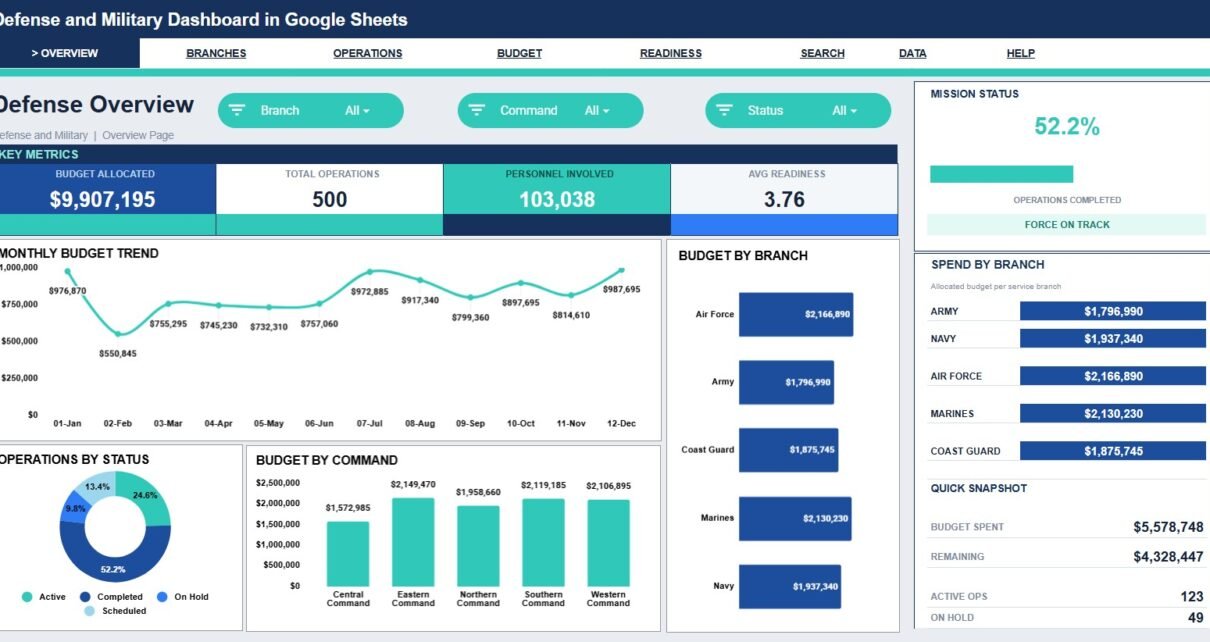
Defense and Military Dashboard in Google Sheets with 7 tabs, 9 KPI cards, 25 charts, slicers, Search sheet, and editable Data sheet for approved operations, budget, branch, and readiness reporting.
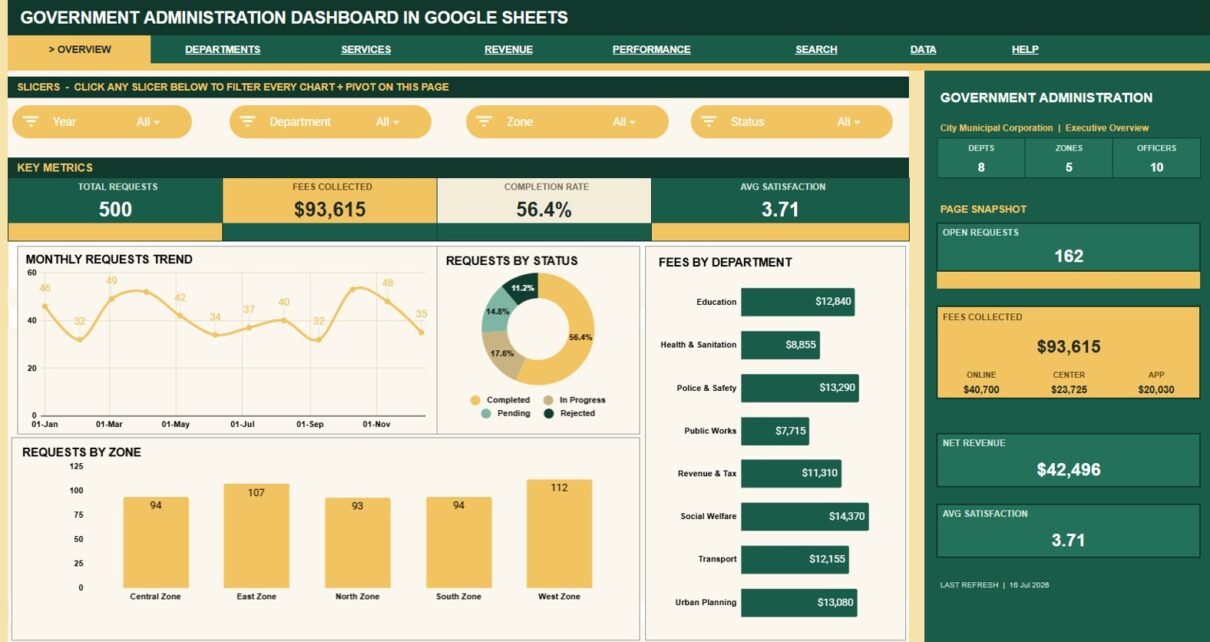
Review the Government Administration Dashboard in Google Sheets: seven reporting pages, nine KPI cards, 16 chart views, slicers, request lookup, and editable data tabs for public administration teams.
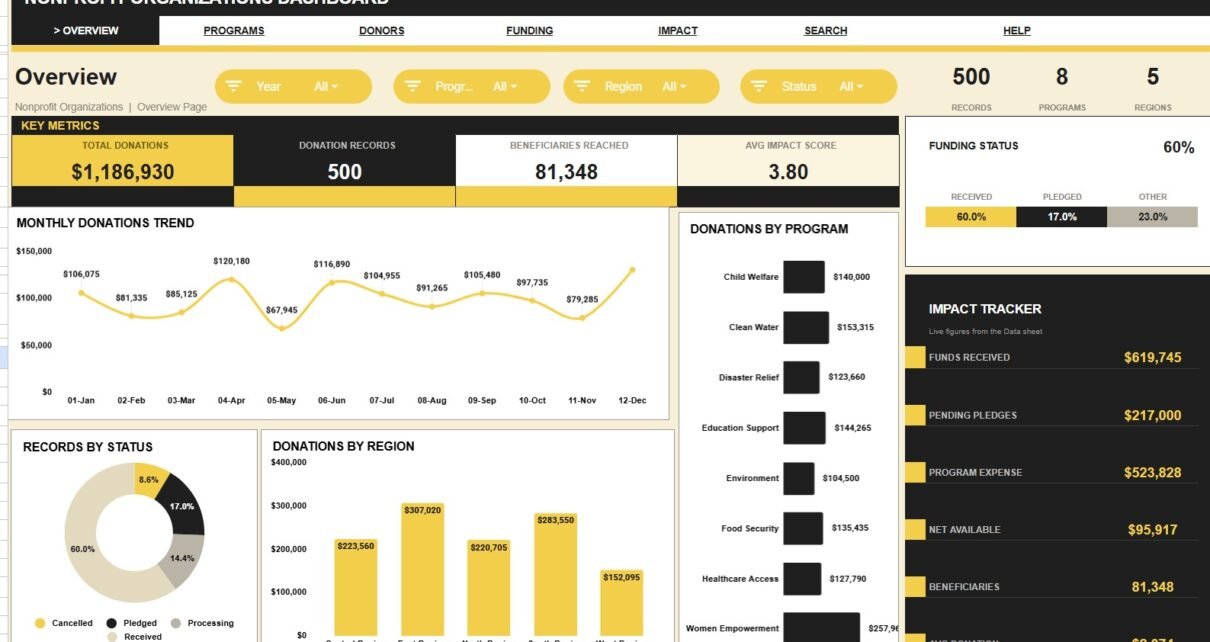
Track donations, funds, beneficiaries and impact across 6 interactive pages with the Nonprofit Organizations Dashboard in Google Sheets — 13 KPIs, 20 charts, native slicers and a record-ID search sheet, all in free Google Sheets.